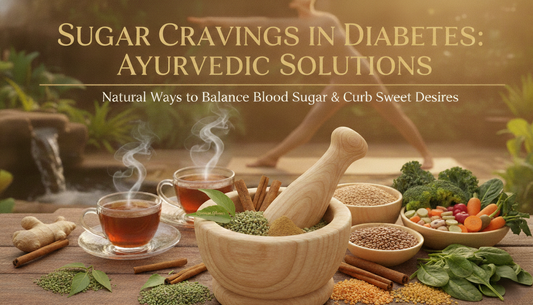
Sugar Cravings in Diabetes: Ayurvedic Solutions
Living with diabetes often means fighting the urge to eat sweets, which many people call sugar cravings. These are not only a sweet tooth, but they also indicate imbalances in blood sugar regulation.
Thankfully, Ayurveda has gentle and tested methods that control sugar cravings naturally without suppressing them. But before that, first know about why these sugar cravings occur.
Why Diabetic People Crave Sugar?
Ayurveda says cravings for sweets happen when your Agni (digestive fire) or Prana (vital energy) is imbalanced or sometimes off.
-
Agni: When your digestion is weak, your body demands quick energy from sugar to feel better.
-
Prana: Sometimes stress or emotional ups and downs trigger sweet cravings, because your body looks for comfort.
For someone managing diabetes, these moments of weakness can cause blood sugar spikes, so it's helpful to go beyond willpower and create a natural plan.
Ayurvedic Solution That Helps Curb Sugar Cravings
Here are some powerful Ayurvedic methods and natural strategies that help manage sugar cravings, supported by scientific research:
-
Herbs For Sugar Control
a. Gurmar
In Ayurvedic texts, Gurmar is mentioned as a “sugar destroyer” due to its high active content, called gymnemic acids, which reduce the taste of sweetness and even lower blood sugar levels in type 2 diabetes. A study showed that combining gurmar with fenugreek significantly improved insulin secretion, too.
b. Fenugreek (Methi)
Fenugreek seeds are the natural and purest source of soluble fibre, which slows down the sugar absorption into the bloodstream and helps prevent sudden sugar spikes in diabetic patients. These seeds inhibit digestive enzymes like α-amylase and α-glucosidase in managing diabetes naturally.
c. Cinnamon
Cinnamon is the most valued herb in the Ayurvedic text for its warming and balancing nature. Research has defined its extract as a micronutrient blend that helps improve insulin sensitivity and lower fasting blood sugar levels.
-
Lifestyle Habits to Support Sugar Control
Besides the herbs, Ayurveda emphasises correcting your lifestyle by adapting simple daily habits. Like:
-
Follow routine: Following a fixed timing for meals, sleep, and walking keeps your metabolism balanced and stops cravings for sugar
-
Mindful eating: While eating, always sit calmly and chew well for better digestion, also avoid screens so that you feel naturally satisfied
-
Manage stress: Stress leads to many imbalances in your body. To escape from this practice of simple deep breathing to calm your mind and emotional sugar cravings.
-
Stay hydrated: Drinking enough water often controls hunger and the desire to eat sweets.
-
Maintain Healthy Digestion
-
Eat Balanced Meals: Including all six tastes, like sweet, sour, salty, pungent, bitter, and astringent, helps keep your body naturally satisfied and cravings stay low.
-
Prioritise Protein & Fibre: Lentils, beans, and fibre-rich veggies stabilise your sugar level and keep you full for longer.
-
Eat More: Warm and fresh-cooked meals with spices like cumin, ginger, and coriander help in digestion and improve metabolism.
-
Ayurvedic Detox
In Indian history, Ayurvedic detox like Panchakarma is performed for deeper imbalances. It is a set of purification therapies which helps to cleanse accumulated toxins (ama) from the body and improve insulin sensitivity and balance sugar levels to reduce your sweet cravings. This practice also balances digestion and liver functions.
-
Exercise & Yoga for Sugar Control
Exercises and movement of the body naturally stabilise the body’s vital energy and improve insulin sensitivity, which greatly reduces your sugar cravings. A study says movement is medicine for diabetic people.
Yoga poses like Trikonasana (Triangle Pose) and Ardha Matsyendrasana improve metabolic rate and stimulate organs like the pancreas, which assist in lowering blood glucose.
-
Opt for Natural Sweet
Use other options such as Stevia leaves, Jaggery, Dates, and Ayurvedic sugar-free herbs instead of refined sugar, but in very small amounts. These all reduce the impact on blood sugar and calm your cravings, too, in comparison to refined sugars.
Putting It All Together: An Ayurvedic Plan for Craving Control
Here is a sample routine you can try (after consulting your doctor):
-
Start your morning with warm water and a pinch of cinnamon or a sip of cinnamon tea.
-
Take a standardised supplement of Gymnema sylvestre (according to a practitioner’s advice).
-
Include fenugreek seeds in your meals, for example, soaked overnight or added to your breakfast.
-
Practice a few minutes of deep breathing or meditation post-lunch to manage emotional stress.
-
Before bed, drink tulsi or ginger tea to support digestion and calm your mind.
What Does the Research Say?
-
A PubMed study mentioned that fenugreek significantly improved insulin-related parameters.
-
Molecular lab research says Gymnema can inhibit enzymes that break down carbohydrates.
-
A Clinical study of Cinnamon found its blend helps in reducing blood sugar markers (HbA1c) and fasting glucose in the long term.
Final Thoughts
When you have diabetes, sugar craving is natural, but it doesn’t mean you can eat more sugar. For this issue, Ayurveda has a perfect plan or methods to control your random cravings for sweets. The above solution can gently stabilise your blood sugar levels and restore digestion without suppressing your appetite.
But taking advice from your doctor is suggested before including these solutions in your lifestyle, so that they can suit your unique body.

SAT KARTAR
Sat Kartar Limited is a trusted name in the field of Ayurveda, dedicated towards bringing you a holistic solution for your overall wellness. We have been serving people with real, natural solutions for more than 12 years. Through our educational blogs, health resources, and product innovations, we aim to empower people to embrace Ayurveda as a way of life and restore their inner balance, strength, and vitality.