Daily Habits to Improve Gut Health Naturally | Simple Digestive Tips
Your gut is often called your “second brain” because it has its own network of nerves that control digestion and communicate with the brain. And also responsible for your body’s immunity and mood. A healthy gut means better energy, improved immunity, and fewer digestive problems.
The good news? You don’t need complicated diets or expensive supplements to support your gut. Small, consistent habits can make a huge difference.
Here are some daily habits you can start today to improve your gut health naturally:
Simple Ways to Improve Your Gut Health
The following are the easiest and most effective ways to improve your gut health:
1. Eat High Fiber Foods
Fiber-rich foods are a boon for people whose digestion often stays disturbed. It makes your bowel movements easier and prevents indigestion issues such as bloating, hemorrhoids, and IBS, and regulates healthy gut functions.
Fiber Sources:
- fruits,
- vegetables,
- whole grains,
- legumes, and
- nuts
How does fiber help in digestion?
Fibers are categorised into two types: soluble and insoluble. Soluble fiber feeds the gut bacteria, and insoluble fiber adds the stool in bulk to promote easier bowel movement. It also reduces the inflammation and maintains the gut lining healthy.
It is also helpful in absorbing nutrients like glucose and fat to keep your cholesterol and blood sugar stable.
2. Include Fermented Foods
Fermented foods have a huge amount of probiotics that are known to maintain your healthy gut bacteria, which helps in nutrient absorption and strengthens your immune system.
Sources of fermented foods:
- Yogurt,
- kefir,
- sauerkraut,
- kimchi, and
- miso
How do fermented foods help in digestion?
Fermented foods introduce beneficial bacteria (probiotics) into the gut, which balance the gut
Nmicrobiome and improve overall digestive function. These bacteria help break down food, reduce inflammation, and support a healthy intestinal lining.
3. Stay Hydrated
Drinking enough water is often overlooked but is essential for maintaining a healthy digestive system. Water helps move food smoothly through your intestines, prevents constipation, and supports nutrient absorption.
Hydration Tips:
- Drink at least 6 to 8 glasses of water daily
- For variance, include herbal teas or coconut water
- Always aim to drink before 20-30 minutes of meals
How does hydration help in digestion?
Water makes your stool soft so that it can pass easily without causing constipation. It dissolves the nutrients efficiently into your body to reduce bloating. Adequate water ensures overall smooth digestive function.
4. Limit Processed and Sugary Foods
Processed and sugary foods can seriously affect your digestive health. They disrupt the balance of your gut microbiome by encouraging the growth of harmful bacteria while reducing the beneficial ones. Over time, this imbalance can lead to issues such as bloating, constipation, and inflammation in the gut.
Avoid or limit:
- packaged snacks,
- refined sugars,
- soft drinks,
- artificial sweeteners, and
- ready-to-eat meals
How do processed and sugary foods harm digestion?
Highly processed foods are often low in fiber and rich in additives, preservatives, and unhealthy fats, which slow down digestion and irritate the gut lining. Refined sugars feed harmful bacteria and yeast, leading to an imbalance known as dysbiosis. Artificial sweeteners, though calorie-free, can also alter the gut microbiota and impair digestion.
5. Get Regular Physical Activity
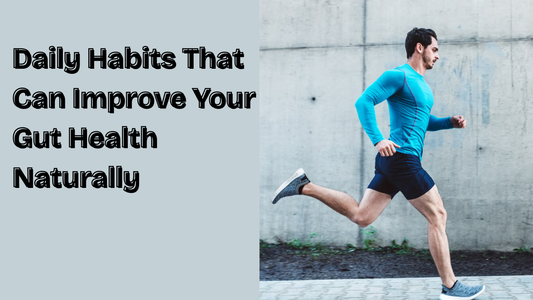
Exercise isn’t just good for your heart or muscles, but it strengthens your digestive system, too. You don’t need to do high-intensity exercises; even mild walking or jogging can bring a drastic change in your digestion. As it stimulates your intestinal contraction and promotes healthy bowel movement, all of which are crucial in maintaining smooth digestion.
Best Exercises for Gut Health:
- Walking or jogging for 30 minutes
- Light stretching
- Cycling or swimming
- Yoga poses like Pawanmuktasana or Vajrasana
How does physical activity help in digestion?
Exercise improves blood flow to the digestive organs, which helps food move efficiently through your intestines and helps balance your gut bacteria, reducing bloating or constipation issues. A daily 30-minute walk after meals can enhance digestion and keep your gut healthy naturally.
6. Manage Stress Levels
Your mind and soul are closely linked to your gut-brain axis, so stress can directly impact your digestion. High cortisol level in the body slows down the digestion process and increase issues like bloating and constipation. Stress disturbs the gut bacteria and can lead to IBS, which is why being mindful of your mental health is necessary.
Ways to Manage Stress:
- Meditation or mindfulness
- Deep breathing exercises
- Gentle yoga or stretching
- Listening to calming music
How does stress management help in digestion?
If you take care of your mental health and manage your stress level through reducing the cortisol (stress hormone), then it can help ease your digestive tract by providing your gut comfort from indigestion.
7. Prioritize Sleep
Sleep is an essential part of everyone’s life, so we can’t neglect it. A healthy sleep cycle not only brings peace in our lives, but it improves our physical health, too.
Poor sleep patterns affect our gut microbiome, which makes our digestion smoother and easier; thereby, our digetion becomes weak and the gut becomes inflamed, which worsens the whole digestive process.
Tips for Better Sleep:
-
Take quality sleep atleast for 7-8 hours.
-
Follow the same pattern daily.
-
Avoid heavy meals or caffeine close to bedtime
How does sleep support digestion?
During sleep, our body repairs and restores balance in the gut microbiome. It also helps regulate metabolism and improve nutrient absorption in your body. Consistent rest can lead to better digestive health naturally.
8. Include Prebiotics in Your Diet
Prebiotics are a special type of fiber that feeds beneficial bacteria in your gut. It helps them to thrive and maintain a balance that contributes to boosting immunity and promoting smoother digestion. A healthy diet rich in prebiotics improves overall gut health.
Sources of Prebiotics:
- Garlic
- Onions
- Leeks
- Bananas
- Asparagus
- Oats
How do prebiotics help in digestion?
Prebiotics act as nourishment for probiotics (the good bacteria) in your gut. They enhance bacterial diversity, improve stool consistency, and support a strong intestinal barrier. Adding prebiotic foods like bananas or oats to your breakfast can keep your digestive system strong and active.
Final Thoughts
It is easy to maintain your gut health if you follow the above steps, including diet and daily habits, so you can improve your digetion naturally, without modern medicines.
But the consistency plays an important part here; it does not happen overnight, you need to follow these habits for the long term. Always start with one to two habits, then include other things gradually.
Research Citations
- World Health Organization. (2026). Healthy diet. WHO Fact Sheet. https://www.who.int/news-room/fact-sheets/detail/healthy-diet
- Appleton J. (2018). The Gut-Brain Axis: Influence of Microbiota on Mood and Mental Health. Integr Med (Encinitas), 17(4):28–32. https://pmc.ncbi.nlm.nih.gov/articles/PMC6469458/
- Wu HC, Fragiadakis GK, Thaiss M, Tickle WV, Hugenholtz S, Sonnenburg JL, et al. (2021). Gut-microbiota-targeted diets modulate human immune status. Cell, 184(16):4137-4153.e14. https://www.cell.com/cell/fulltext/S0092-8674(21)00754-6
- Office of Dietary Supplements, National Institutes of Health. (2025). Probiotics - Health Professional Fact Sheet. https://ods.od.nih.gov/factsheets/Probiotics-HealthProfessional/
- Sikdar S, Wei Q, Cortes N. (2014). Dynamic Ultrasound Imaging Applications to Quantify Musculoskeletal Function. Exercise and Sport Sciences Reviews, 42(3):126-135. https://journals.lww.com/acsm-essr/abstract/2014/07000/dynamic_ultrasound_imaging_applications_to.6.aspx
- Farzaei MH, Bahramsoltani R, Abdollahi M, Rahimi R. (2016). The Role of Visceral Hypersensitivity in Irritable Bowel Syndrome: Pharmacological Targets and Novel Treatments. J Neurogastroenterol Motil, 22(4):558–574. https://pmc.ncbi.nlm.nih.gov/articles/PMC5056566/
- Ye M, Tu J, Jiang J, Bi Y, You W, Zhang Y, et al. (2016). Clinical and Genomic Analysis of Liver Abscess-Causing Klebsiella pneumoniae Identifies New Liver Abscess-Associated Virulence Genes. Frontiers in Cellular and Infection Microbiology, 6:165. https://www.frontiersin.org/journals/cellular-and-infection-microbiology/articles/10.3389/fcimb.2016.00165/full

SAT KARTAR
Sat Kartar Limited is a trusted name in the field of Ayurveda, dedicated towards bringing you a holistic solution for your overall wellness. We have been serving people with real, natural solutions for more than 12 years. Through our educational blogs, health resources, and product innovations, we aim to empower people to embrace Ayurveda as a way of life and restore their inner balance, strength, and vitality.