Pregnancy Piles Care: Do's, Don'ts & Safe Diet for Moms-to-Be
Pregnancy is undoubtedly one of the most beautiful moments in women life, but at the same time, it can bring along a few uncomfortable surprises. One of the problems that most pregnant women have to deal with is piles or hemorrhoids.
These are the enlarged veins in the rectal area, and they can cause itching, pain, and an overall uncomfortable feeling, especially during the last months of pregnancy.
If you are in search of a non-invasive and effective piles treatment for pregnant women, then this blog will provide you with all the necessary information, including a safe diet for piles in pregnancy, and Piles care for pregnant women.
Why Piles Happen During Pregnancy?
Piles occurrence is not only rely on single reason. There are many factors contribute to it. Some of the most common reason are given below:
-
Hormonal changes
During pregnancy progesterone level rises which loads the pressure on the rectal veins and cause symptoms of piles.
-
Constipation
Constipation is most commonly found in pregnant women due to hormonal shifts. It makes stool harder to pass and tend women to strain while passing stool which put the more pressure on anal region and problem like piles arise.
-
Uterine pressure
As your baby grow in uterus and becomes havier. This enlarged uterus add the pressure on the pelvic floor and veins in lower rectum. Many women usually experience this condition of piles in the second or third trimester.
-
Long hours sitting or standing
Sitting and standing for long hours affects the blood flow in lower body, which compresses the anal and rectal veins and increases swelling in that region
-
Poor diet or low fiber intake
Diet with low fiber intake leads to dry and hard the stool and make it difficult to pass which causes straining and irritable bowel movement and increasing the risk of piles.
Common Symptoms of Pregnancy Piles
Piles are quite common during pregnancy because several changes occur in the body such as blood flow increases, hormones shift, and the expanding uterus puts extra pressure on the veins in the rectal area.
Let’s have a closer look on its symptoms so that you can identify the condition early and manage it effectively.
Some common symptoms of pregnancy piles:
-
Pain during bowel movement
-
Itching & irritation
-
Swelling near the anus
-
Bleeding while passing stool
-
Difficulty or discomfort when sitting
If you find these symptoms during pregnancy, consult you doctor to confirm the diagnosis and get treatment advice.
Tips for Prevention
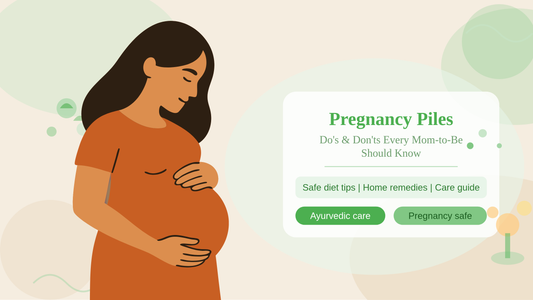
To ensure a safe delivery, it's important for the mom to be to prevent piles issue. That's why we've provided some do's and don'ts for the healing process.
Do’s: Piles Care for Pregnant Women
1. Eat a Safe, High-Fiber Diet
Having meal high in fiber can help you prevent constipation, reduce straining and softens stool, all of which lower pressure on the rectal veins.
2. Stay Hydrated
Drinking 8-10 glass of water daily prevent the constipation issue and maintain soft stool consistency to avoid the pile symptoms.
3. Practice Gentle Exercise
During pregnancy practicing mild exercises like prenatal yoga, kegel exercises, and walking improves blood circulation especially in lower and prevent piles.
4. Follow Healthy Toilet Habits
Do not hold your stool or delay the natural urge as this can make the stool harder and more difficult to pass and increases pressure on the rectal veins, leading to constipation and worsening piles symptoms
5. Use Sitz Baths and Cold Compresses
A warm sitz bath and applying cold compresses on the affected area can sooth itching and pain, also help shrink swollen veins caused by preganancy piles.
6. Sleep on Your Left Side
Sleeping on your left side improves the blood circulation and reduces the rectal pressure which can help to prevent the piles symptoms and can stop worsening it.
7. Keep the Anal Area Clean and Dry
Avoid harsh soaps or excessive rubbing prevent irritation and discomfort. Maintaining hygiene around the anal area can soothe the pain.
Don’ts: What to Avoid during Pregnancy Piles
1. Don’t Strain During Bowel Movements
Straining increases pressure on rectal veins and worsens the piles so relaxation while bowel time can help to avoid straining also drink enough water to prevent it recurrance.
2. Don’t Eat Processed or Spicy Foods
Processed foods instigate constipation and weaken your digestion. So avoiding it can help you in your pregnancy for both the child and the mother.
3. Don’t Ignore Constipation
If your constipation persists for a long time, then do not ignore it. Adding soaked raisins, prunes, or flaxseeds in your diet can naturally treat your constipation issue.
4. Don’t Sit or Stand Too Long
Take short breaks every 30-40 minutes to walk or stretch, improving blood flow and relieving pelvic pressure.
Do not sit or stand long hours as it can put pressure on the pelvic area, taking 30 to 40 minutes of break in walking and stretching improve the blood flow and relieve pressure.
5. Don’t Use Harsh Toilet Paper
Use soft tissue or rinse with warm water instead to prevent irritation.
Using hard toilet paper can cause irritation that is why using soft tissue or rinse with warm water prevents itching and discomfort.
6. Don’t Self-Medicate
Do not medicate by yourself, certain medicines and creams contain steroids that may not be safe for pregnant women. Always seek help before applying anything.
Ayurvedic & Home Remedies for Piles During Pregnancy
For women who want Ayurvedic remedies for piles treatment during preganancy can use the below herbs for gentle, natural and safe healing.
-
Triphala powder: Taking triphala powder can help relieves constipation and support healthy bowel movements.
-
Aloe vera gel: Appying aloe vera gel on affected area can sooth itching and swelling when applied externally.
-
Buttermilk with cumin and rock salt: Buttermilk is probiotic in nature which eases bloating and helps maintain gut health in pregnancy.
-
Haritaki and Amalaki: Both herbs act as detoxifier, they reduce toxins buildup and maintain bowel regularity without constipation.
These can be part of a safe diet for piles in pregnancy, but always consult your doctor before starting any Ayurvedic or herbal remedy.
When to Seek Medical Help
Ignoring early symptoms can be dangerous for both the child and the mother. Whenever you feel any symptoms like severe pain, bleeding, swelling, and painful external lumps that don’t subside, then immediately seek help from your doctor before worsening it.
Your doctor may suggest some safe and non-surgical treatment if needed until your delivery.
Final Thoughts
Piles during pregnancy can feel distressing, but with the right care, diet, and lifestyle adjustments, you can manage them safely and effectively. Remember, prevention is always better than cure. Start early by eating fiber-rich foods, staying hydrated, and following simple hygiene practices.
Gentle piles care for pregnant women focuses on small daily habits that protect your comfort, improve digestion, and ensure a smooth pregnancy journey.
Research Citations
- https://pmc.ncbi.nlm.nih.gov/articles/PMC2278306/
- https://pmc.ncbi.nlm.nih.gov/articles/PMC9055760/
- https://www.sciencedirect.com/science/article/abs/pii/S1871519217302822
- https://bmcgastroenterol.biomedcentral.com/articles/10.1186/s12876-024-03228-5
- https://journals.lww.com/dcrjournal/abstract/2002/45050/anal_fissure_and_thrombosed_external_hemorrhoids.11.aspx
- https://www.thieme-connect.de/products/ejournals/abstract/10.1055/s-0030-1254294

SAT KARTAR
Sat Kartar Limited is a trusted name in the field of Ayurveda, dedicated towards bringing you a holistic solution for your overall wellness. We have been serving people with real, natural solutions for more than 12 years. Through our educational blogs, health resources, and product innovations, we aim to empower people to embrace Ayurveda as a way of life and restore their inner balance, strength, and vitality.