
Post Piles Surgery Care: Ayurvedic Tips & Diet Guidance
If you have recently undergone piles surgery, then it’s important for you to take care of yourself. Any carelessness during these times can harm your health. In piles, the digestive constipation is often weak. There is a risk of short-term pain and bleeding as well. But no need to worry, as in this blog, we bring you some natural ways to take care of yourself after piles surgery.
Self-Care Tips After Piles Surgery: Ayurvedic and Natural
Diet Plan After Piles Surgery
After a week of your surgery, include some fibre-rich whole foods and probiotics in your diet. Have light meals during the first few weeks, such as khichdi, boiled veggies, mashed banana, and dal water. Avoid eating very spicy junk and fried foods, and drink a lot of water, at least 3-4 times daily.
Include these herbs in your routine
Include some digestion-supporting herbs in your diet, such as
- Triphala: Triphala makes digestion stronger, especially useful after a bowel surgery, as the digestion is a little weak after it. You can take it in the form of triphala water or powder.
- Neem: It has strong antimicrobial properties that help prevent any infection risk after surgery.
- Haldi: It has strong anti-inflammatory properties that prevent inflammation in tissues.
Practice these Herbal Rituals
One of the most popular herbal rituals is to take a sitz bath. Sitz baths are an Ayurvedic ritual of soaking yourself in warm water, possibly with Pancha Valkal Kwath or other herbal decoctions. This procedure helps to soothe irritation and promote wound healing. It’s suggested to do it two to three times daily for at least three weeks after surgery.
Keep Moving a little Every Day
Be it exercise or gentle yoga, it’s important to keep moving so that it stays fit for longer. Weak digestion and fatigue are some of the common symptoms of piles surgery. However, with some light exercises and staying physically active, you can prepare yourself for such situations.
Maintain your Anal Hygiene
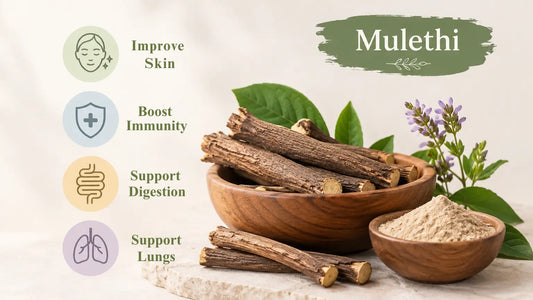
Keep your anal area clean, wash it regularly and keep it dry. Use topical herbal oils or pastes such as Yashtimadhu (liquorice) oil or gentle ayurvedic wound-healing pastes to reduce burning and discomfort.
Try these Ayurvedic Therapies
Some Panchakarma Therapies in Ayurveda, like Basti (medicated enemas) with herbal oils, soften and lubricate the intestinal walls, reducing inflammation and pain.
Virechana is another such therapy that helps detoxify the liver and intestines, ensuring easier bowel movements, which reduces strain and pain during recovery.
Conclusion
To prevent recurrence of piles, it’s important to take care of yourself even after surgery. Piles can be treated well if given the right support. After your surgery, it’s important to fix your diet and lifestyle.
Lifestyle changes include doing some necessary exercises and meditation. Diet should not be too heavy and should be gentle to digest. For more such Ayurvedic solutions to your health issues, consider visiting our blog.
FAQs
1. What is the best sleeping position to have after piles surgery?
The best sleeping position after piles surgery is sleeping on your side or on your stomach, as these positions relieve pressure from the surgical area and help in healing faster after surgery.
2. How to reduce pain after piles surgery?
To reduce pain after surgery, take the prescribed pain medication on time, soak yourself in warm sitz baths, and apply ice packs wrapped in a towel to the area. It is also crucial to prevent constipation by following a high-fibre diet, staying hydrated, and taking stool softeners as recommended by your doctor to avoid straining.
3. What food to avoid after piles surgery?
Avoid eating high-fat or very spicy foods, as these can trigger and create discomfort. Also, limit your intake of caffeinated and carbonated drinks, as they can lead to gas, which worsens haemorrhoids.
4. What not to do after piles surgery?
After piles surgery, it’s essential to maintain good hygiene, especially in the anal area, keeping it clean and dry. Secondly, be mindful of what you eat, and avoid doing high-intensity workouts or sitting for long periods.
5. How can I reduce bleeding after surgery?
To reduce bleeding after surgery, take certain precautions in your day-to-day life. Avoid putting extra pressure during defecation. Follow some wound-care and hygiene protocols that can reduce infection risks, which can trigger bleeding.

SAT KARTAR
Sat Kartar Limited is a trusted name in the field of Ayurveda, dedicated towards bringing you a holistic solution for your overall wellness. We have been serving people with real, natural solutions for more than 12 years. Through our educational blogs, health resources, and product innovations, we aim to empower people to embrace Ayurveda as a way of life and restore their inner balance, strength, and vitality.